

We are all trying to enter the new year relaxed, hydrated, happy and paid. That includes your employees. How do we achieve that? By drinking our daily quota of water and properly managing our payroll, especially the compliance part. Hence why you, the ever-awesome employer, want to stay on top of your payroll compliance game going into 2025. Staying ahead of payroll compliance changes is crucial for avoiding penalties and maintaining trust with your workforce.
So, as 2025 approaches, several regulatory updates are expected to reshape the payroll landscape, impacting how businesses manage their obligations. This article highlights the key changes on the horizon, along with practical steps and resources to help you stay compliant. Understanding these changes prevents disruptions and ensures you support your employees under the new regulations. This proactive approach will also allow you to be your best employer self by maintaining a strong reputation and adhering to the highest ethical standards. With an evolving regulatory environment, preparedness is the key to a smooth transition, so let’s dive right in!
Table of Contents
Key Payroll Changes for 2025
When we’re talking about “payroll compliance”, we’re also talking taxes. Therefore, the changes you want to keep an eye on are tax-related.
- 1) Contribution Limit Increases
Some of Canadians’ best friends in personal finance and savings are getting a boost next year. That’s the Registered Retirement Savings Plan (RRSP) and the Tax-Free Savings Account (TFSA). To keep it short and sweet: for 2025, the maximum contribution limit for RRSPs has risen to $32,490, the maximum lifetime contribution limit for TFSAs has risen to $102,000, while the annual TFSA contribution limit stays at $7,000.
- 2) Canada Pension Plan Updates
The Canada Pension Plan (CPP) is also seeing some changes in the new year. While the original CPP contribution rate for employers and employees stays the same (at 5.95%), the maximum contribution limit rises to $4,034.10 for 2025, thanks to an increase in yearly maximum pensionable earnings (YMPE) — a.k.a. the maximum salary amount needed to contribute to the CPP.
Self-employed folks, who pay both employer and employee contributions, will pay an increased maximum contribution of $8,068.20 in 2025.
Don’t scroll away yet — there are layers to this. In addition to regular CPP contributions, the CPP enhancement was introduced this year, also called “CPP2” or “CPP 2.0”. To understand CPP2, we must first know about the yearly additional maximum pensionable earnings (YAMPE) — the word “additional” differentiates YAMPE from the YMPE we just spoke about. YAMPE is like an extension of YMPE and applies to earnings above the maximum amount of YMPE, allowing Canadians to save more for retirement. The YAMPE for 2025 has increased to $81,200. Contributions to CPP2 only apply to income earned between the YMPE amount and the YAMPE amount. Read more about the CPP2 contributions here.
Phew, that was a mouthful. Overall, in 2025, the total maximum CPP contributions for employees is $4,430.10. Employers (that’s you!) will also see this increase per employee and must adjust their payroll to match. Self-employed people’s total maximum CPP contribution for 2025 is $8,860.20.
- 3) Minimum Wage Changes
Federal minimum wage is expected to increase in 2025, from $17.30/hr to $17.70. Meanwhile, provincial governments across Canada will also adjust their respective minimum wages in the new year. Some of these increases include Ontario (projected rise to $17.82/hr, from $17.20), Yukon (projected rise over $17.97/hr from $17.59) and Nova Scotia (projected rise to $15.40/hr from $15.00).
Preparing Your Business for Payroll Compliance
Now that you know what changes you need to look out for in the new year, let’s talk about how you will prepare your business to be a payroll compliance superstar. It’s time for simple preparation tips and tricks —here they are:
- 1) Stay Informed
Review updates from federal and provincial authorities regularly. Subscribe to newsletters or attend webinars to stay current. A dedicated compliance officer or team can further streamline the process of monitoring regulatory changes.
- 2) Audit Your Payroll Processes
Conduct a thorough review of your payroll practices to identify gaps or areas needing improvement. Ensure your software and manual processes align with the latest requirements.
- 3) Leverage Technology
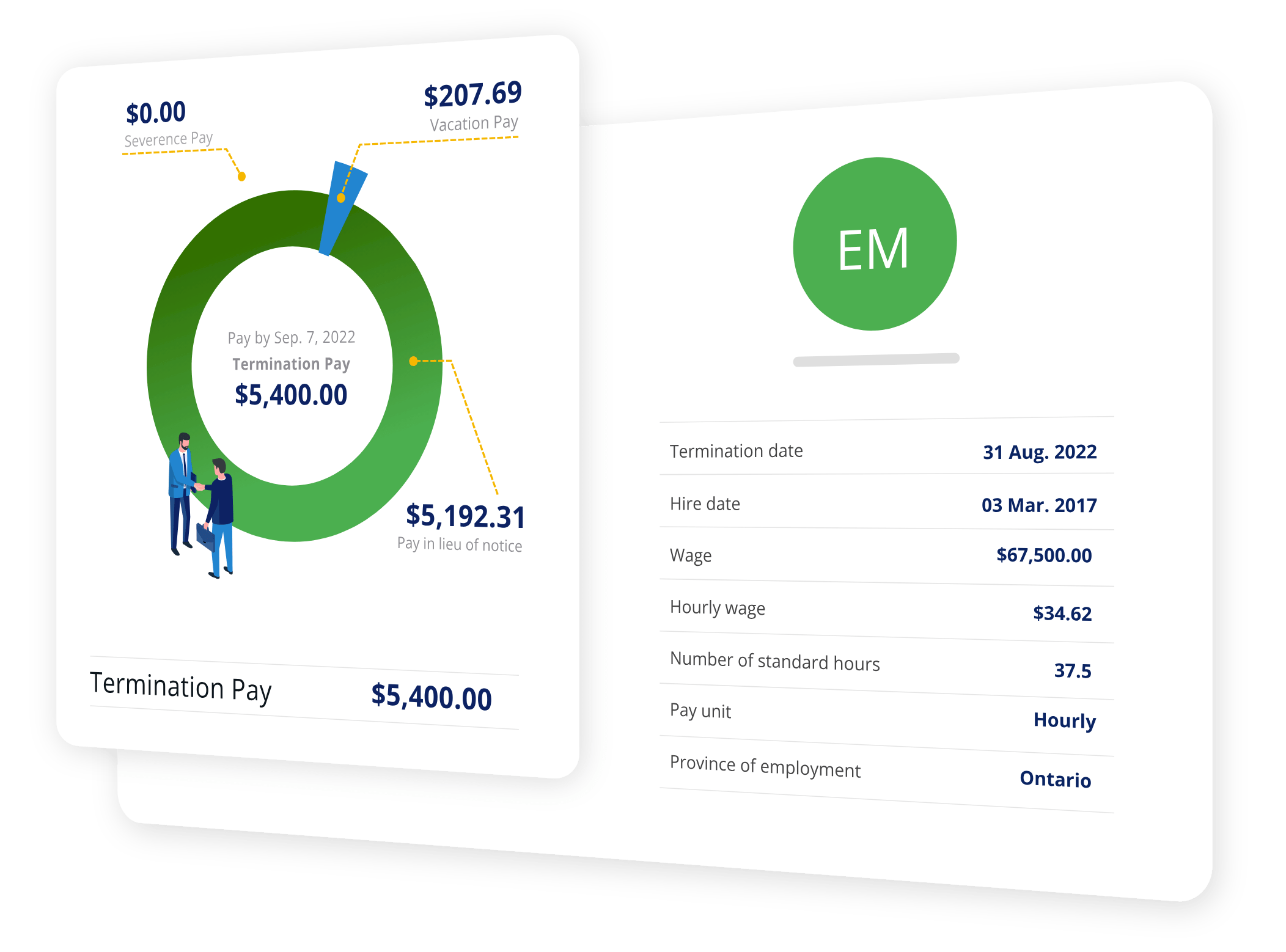
Automate compliance tasks with payroll software like ours — we track regulatory updates so you don’t have to. Compliance issues like the ever-changing ESA become a worry of the past with our focus on tools like Canada’s first Offboarding Assistant.
- 4) Seek Expert Guidance
Partner with payroll consultants or legal advisors to navigate complex regulations. These professionals provide tailored advice and highlight areas where your business might face compliance challenges.
Training and Educating Your Team
Compliance is not a “one person only” kind of show, people! It is a team effort. Keeping your payroll team informed about regulatory changes is vital. Here’s how you can support them:
- Regular Training Sessions
Host workshops to review new regulations and their practical implications. Internal compliance officers or external consultants specializing in payroll laws can lead these.
- Provide Resources
Share guides, checklists, and video tutorials. Ensure employees have access to up-to-date materials that explain complex regulations in simple terms.
- Foster a Culture of Continuous Learning
Encourage employees to engage in ongoing education. By promoting a learning environment, your organization can better address future compliance updates and maintain payroll accuracy.
Using PaymentEvolution to Stay Compliant
So far in this blog post, we have listed so… many… numbers. Proper compliance is tricky and overwhelming to handle on your own, so why not let us do all the hard work for you? Enter PayEvo, stage left. We turn headaches into happiness by making payroll stress-free.
Drinking Our Water, Staying Tax-Compliant
Today, you learned payroll compliance isn’t only about avoiding penalties — it’s about building trust and enhancing efficiency. Compliance isn’t a burden; it’s an opportunity to strengthen your operations and position your company for long-term success. With 2025 bringing new changes, now is the time to act. So, stay compliant, proactive, hydrated and confidently lead your business into the future!


